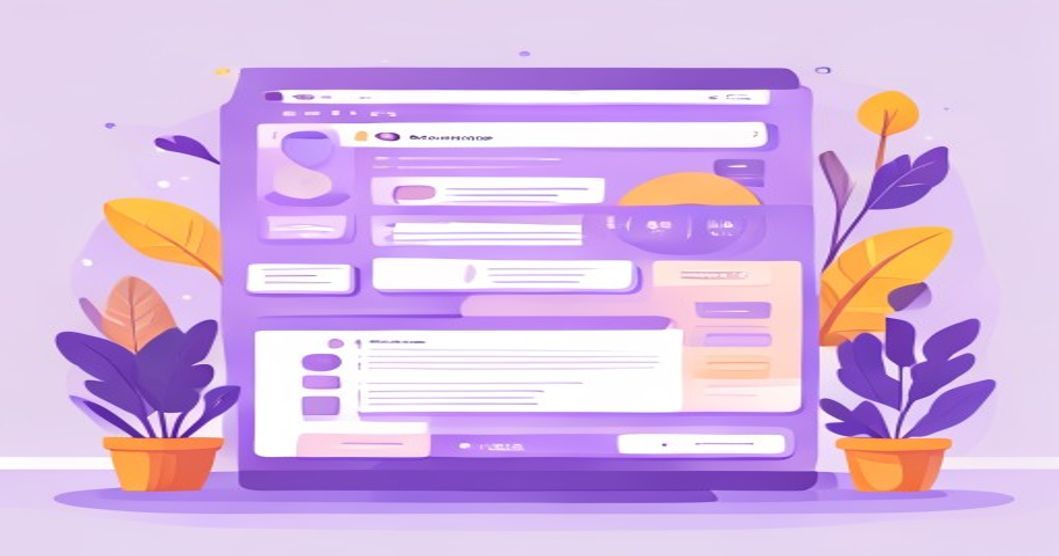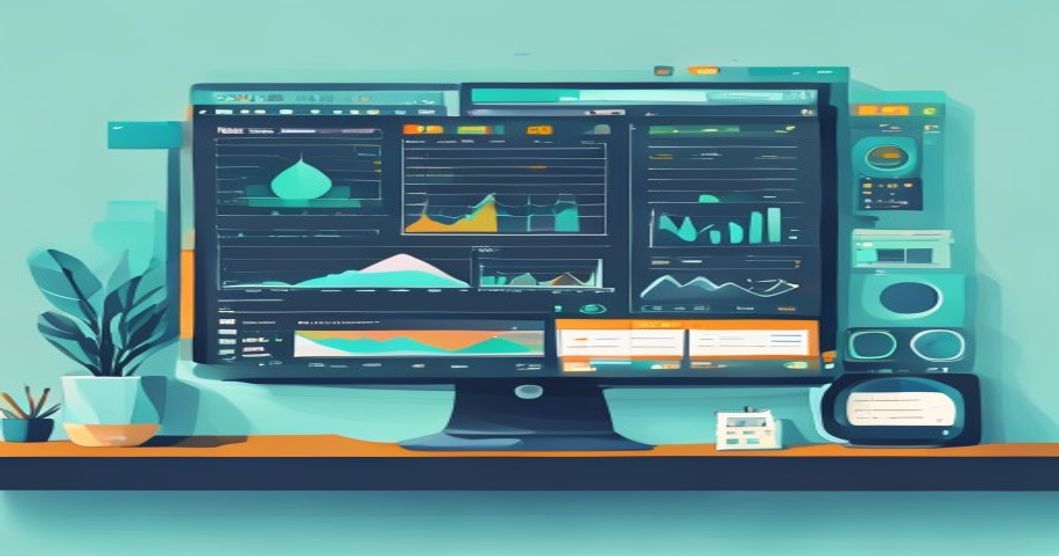
The Indian tech landscape is buzzing, and the demand for skilled UI/UX designers has never been higher. From the sleek interfaces of Paytm and Swiggy to the complex dashboards of Zerodha and Freshworks, every digital product needs a designer who understands both aesthetics and user psychology. If you're a student or recent graduate feeling overwhelmed by the sheer number of courses and conflicting advice, this practical, India-focused roadmap for 2026 will cut through the noise and show you exactly where to start, what to learn, and how to land your first role.
Understanding the Role: UI vs. UX
While often used together, UI (User Interface) and UX (User Experience) design are distinct disciplines. Think of building a car: UX Design is the overall experience—how comfortable the seats are, how intuitive the controls feel, and how smoothly the car drives. UI Design is the look and layout of the dashboard, the styling of the steering wheel, and the typography on the dials. In the digital world, a UX designer researches user needs, creates wireframes, and maps user journeys. A UI designer then brings those blueprints to life with visual design, focusing on colors, typography, and interactive elements. For most entry-level roles in India, especially at startups like Razorpay or Flipkart, you'll be expected to have skills in both areas.
Foundational Skills to Master First
Before diving into tools, you need to build a strong conceptual foundation. This knowledge will make your portfolio stand out to recruiters from TCS, Infosys, and product companies alike.
Design Principles & Psychology
Start with the universal laws of design. Study Gestalt principles, visual hierarchy, color theory, and typography. Understand how users perceive and process information. Resources like the Interaction Design Foundation offer excellent introductory articles, while YouTube channels like AJ&Smart and Flux provide great visual explanations.
User Research & Empathy
Great design solves real problems. Learn basic user research methods:
- Conducting user interviews to uncover pain points.
- Creating user personas and empathy maps.
- Analyzing data to inform design decisions (data-driven design). Platforms like Coursera offer courses like "User Experience Research and Design" by the University of Michigan, which you can audit for free or apply for Coursera Financial Aid.
The Essential Toolkit for 2026
The tool you use matters less than your skill, but industry standards help. Proficiency here is a non-negotiable on your resume.
- Design & Prototyping: Figma is the undisputed leader, especially for collaboration. Master it inside out. Adobe XD and Sketch are also used, but Figma is the safest bet for Indian job markets.
- Wireframing & Ideation: Start with pen and paper or use Figma for low-fidelity wireframes. Miro or Mural are excellent for collaborative brainstorming sessions, a common practice in companies like Wipro and HCL.
- Additional Skills: Basic understanding of HTML & CSS is a massive plus. It helps you communicate effectively with developers. Use freeCodeCamp for a fantastic, free introduction.
Building a Killer Portfolio (Not Just a Resume)
In design, your portfolio is everything. No one hires a designer based solely on a degree. Your portfolio should tell a story.
- Case Studies Over Pretty Pictures: Include 3-4 detailed case studies. For each, explain the problem, your process (research, wireframes, iterations), and the final solution with measurable outcomes (e.g., "improved user onboarding completion by 20%").
- Show Your Process: Include sketches, user flow diagrams, and failed iterations. This shows your problem-solving skills.
- Platform: Create a clean, simple website using Webflow, Framer, or even a well-customized WordPress or Notion site. Also, maintain an active Behance or Dribbble profile.
Start with a fictional project or redesign an existing, poorly-designed Indian app (think a local government portal or a clunky e-commerce site). This demonstrates initiative and critical thinking.
Navigating the Indian Job Market & Salaries
The opportunities are vast but competitive. Entry-level UI/UX roles in Indian IT services firms (Accenture, Infosys) might start in the range of ₹4-7 LPA. However, in product-based companies (Swiggy, Zomato, Freshworks) or well-funded startups, starting salaries can range from ₹6-12 LPA for talented candidates with a strong portfolio.
Where to Look for Jobs:
- LinkedIn: Optimize your profile with keywords, connect with designers, and actively engage with content.
- AngelList: Ideal for startup opportunities.
- Instahyre and Cutshort: Gaining popularity for tech roles in India.
- Company Career Pages: Directly apply to your dream companies.
Networking is key. Follow Indian design leads on Twitter/X, join communities like "Designers of India" on Facebook or Slack, and attend local meetups or online webinars.
Learning Resources: Free & Affordable Paths
You don't need a costly degree to break in. India has an abundance of high-quality, affordable learning resources.
- Free University Courses: Enroll in the NPTEL course "Introduction to User Experience Design" or explore design courses on SWAYAM. These are gold standards for foundational knowledge.
- YouTube (The Indian Tutor's Paradise):
- CodeWithHarry has a clear "Web Design" playlist.
- Ajay Dhangar and UX Anudeep offer fantastic, practical UI/UX content tailored for beginners.
- Champions Academy provides full-length courses on tools and theory.
- Structured Free Learning: Complete the freeCodeCamp "Responsive Web Design" certification. Google's UX Design Professional Certificate on Coursera is a comprehensive, beginner-friendly program.
Next Steps
Your journey starts today, not tomorrow. Begin by auditing one foundational course on Coursera or NPTEL to structure your learning. Then, immediately download Figma and follow a beginner tutorial to create your first button or screen. Finally, explore our curated list of design courses to find the perfect program that fits your learning style and schedule. Remember, in design, consistent action and a compelling portfolio will always trump mere intention.
Share this article
Keep learning on UnboxCareer
Explore free courses, certificates, and career roadmaps curated for Indian students.