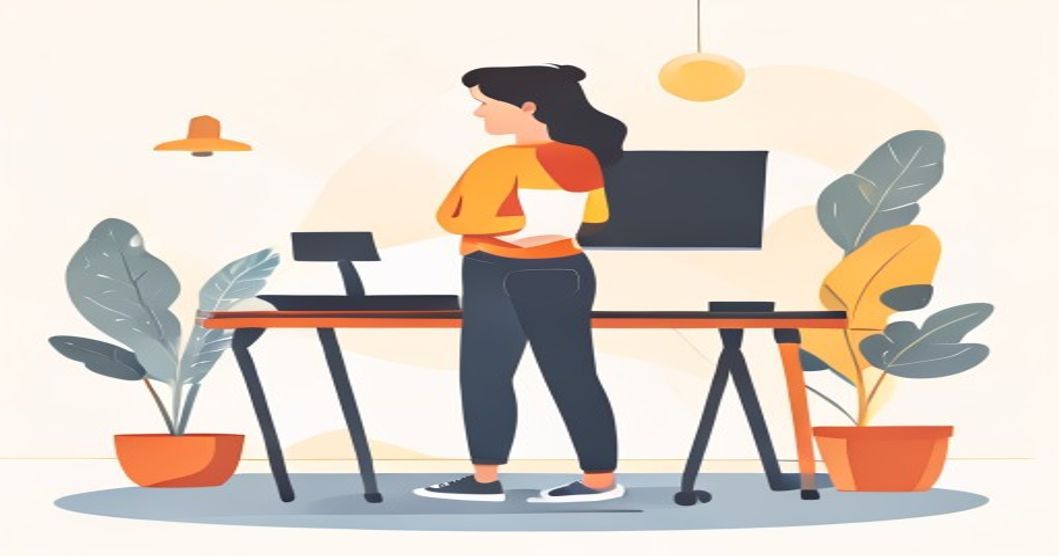
For Indian developers, long hours glued to a chair are a familiar reality. Between sprint deadlines, debugging marathons, and back-to-back meetings, the typical workday can wreak havoc on your posture and energy. A standing desk isn't just a trendy office accessory; it's a practical investment in your long-term health and productivity, helping you combat the sedentary lifestyle that comes with a career in tech.
Why a Standing Desk is a Smart Move for Indian Developers
The immediate benefit you'll feel is a reduction in that all-too-common lower back and shoulder pain from slouching in a standard office chair. By alternating between sitting and standing, you promote better spinal alignment and engage your core muscles. Beyond posture, the health implications are significant. Prolonged sitting is linked to increased risks of weight gain, heart disease, and diabetes—concerns that are becoming more prevalent in India's urban professional workforce.
From a productivity standpoint, many users report improved focus and reduced afternoon energy slumps. The simple act of standing increases blood flow, which can lead to clearer thinking and better problem-solving—essential when you're untangling complex code. For developers in fast-paced environments at companies like TCS, Infosys, or startups like Razorpay and Freshworks, maintaining peak cognitive performance is directly tied to output.
Choosing the Right Standing Desk in India
Your primary decision is between a full desk replacement or a more affordable, space-saving desktop converter. An electric height-adjustable desk offers the most seamless experience but requires a bigger budget and space. A manual crank desk is more economical, while a sturdy desktop converter that sits on your existing table is perfect for renters or those with limited room, a common scenario in Indian metro cities.
When evaluating options, don't just look at the price. Check the weight capacity (aim for at least 35-40 kg to hold monitors, laptops, and accessories), the range of height adjustment (should accommodate both sitting and standing for your height), and stability at maximum height—a wobbly desk is a deal-breaker when coding. Noise level is also a factor for shared spaces; electric motors are typically quieter than manual cranks.
Key features to prioritize:
- Sturdy Construction: Avoid flimsy frames. Look for steel or high-quality aluminium.
- Sufficient Workspace: Ensure the tabletop is deep and wide enough for your multi-monitor setup.
- Programmable Memory (for electric desks): A premium feature that lets you save your perfect sitting and standing heights.
- Cable Management: Integrated trays or grommets help maintain a clean, trip-free workspace.
Setting Up Your Standing Desk for Optimal Ergonomics
Getting the ergonomics right is crucial; otherwise, you're just trading sitting pain for standing pain. The goal is to maintain a neutral body position.
- Monitor Height: Your screen's top should be at or slightly below eye level. You should look straight ahead, not up or down. Use monitor arms or stacks of books for a quick fix.
- Arm Position: Your elbows should be at a 90-110 degree angle, with your wrists straight and parallel to the floor. A keyboard tray can help achieve this.
- Standing Posture: Stand straight with your weight evenly distributed on both feet. Keep your shoulders relaxed and your head balanced over your spine.
An anti-fatigue mat is a highly recommended add-on. It encourages subtle movement, reduces pressure on your feet and joints, and makes standing for longer periods much more comfortable—a must-have for Indian floors which are often hard tile or marble.
Building a Sustainable Sitting-Standing Routine
The biggest mistake is to jump straight into standing for 8 hours. Your body needs to adapt. Start slowly and listen to your body to avoid fatigue or discomfort.
A popular and effective method is the 30-minute alternating routine. Use a simple timer or a smartwatch reminder to switch positions every 30 to 60 minutes. The rhythm of change is more important than a rigid ratio. Some days you might sit more; others, you might stand more.
Sample Routine for a Workday:
- 9:00 AM - 10:00 AM: Sit (ease into the day, check emails).
- 10:00 AM - 11:00 AM: Stand (focus on deep work, coding).
- 11:00 AM - 12:00 PM: Sit (team stand-up, meetings).
- 12:00 PM - 1:00 PM: Stand (pre-lunch productivity push).
- After Lunch: Sit to aid digestion.
- Mid-Afternoon: Stand to combat the post-lunch energy dip.
- End of Day: Alternate based on task and energy levels.
Incorporate micro-movements while standing: shift your weight, take a few steps in place, or do gentle calf raises. This keeps the muscles engaged and promotes circulation.
Budget-Friendly Tips & DIY Alternatives
A full-fledged electric standing desk can be an investment. If you're on a tight budget—common for students or early-career developers—there are creative solutions.
The most popular DIY hack is to use a sturdy, height-adjustable laptop bed table or an ironing board as a temporary standing platform for your laptop. For a monitor, you can place it securely on a stack of textbooks, plastic crates, or a wall-mounted shelf at the correct height. The key is ensuring the setup is stable and safe for your equipment.
Look for local Indian brands that offer good value, or check online marketplaces during sale festivals for significant discounts on well-reviewed models. Sometimes, investing in a high-quality desktop converter first is a smarter step than buying a cheap, unstable full desk.
Next Steps
Your health is your most valuable asset in a demanding tech career. Start by exploring ergonomic accessories that can complement your workspace today. If you're looking to boost the skills you use at that desk, check out our curated list of free programming courses from platforms like freeCodeCamp and NPTEL. For insights into building a thriving career, browse our collection of guides on productivity and career growth.
Share this article
Keep learning on UnboxCareer
Explore free courses, certificates, and career roadmaps curated for Indian students.