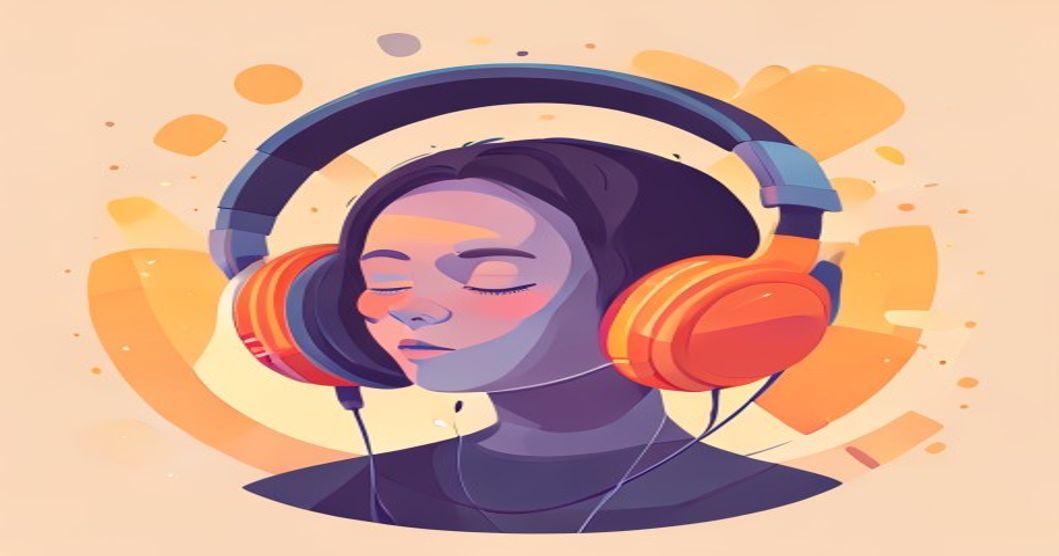
For Indian developers, the constant hum of open offices, the neighbor’s loud TV, or the relentless traffic outside can shatter concentration during a critical debugging session or deep work phase. In a market where landing a role at TCS, Infosys, or a fast-paced startup like Razorpay often hinges on sharp, focused skill-building, managing your auditory environment isn't a luxury—it’s a career tool. This guide offers practical, budget-conscious strategies to reclaim your silence and boost productivity, tailored for the realities of Indian workspaces and homes.
Understanding the Noise Problem for Coders
For developers, noise isn't just annoying; it's a cognitive disruptor. The "flow state"—that zone of intense focus where complex code comes together—is fragile. Sudden noises, like a honking horn or a colleague's conversation, can break your train of thought, leading to more bugs and longer debugging times. In India, common noise pollutants include:
- Urban Chaos: Constant traffic, construction, and street vendors.
- Shared Living Spaces: Thin walls in apartments, family activities, and noisy neighbors.
- Open-Plan Offices: The collective din of meetings, phone calls, and keyboard clatter in tech parks.
This cognitive switching cost is real. Regaining deep focus after an interruption can take over 20 minutes, directly impacting your ability to learn new frameworks on freeCodeCamp or complete a challenging Coursera project.
Hardware Solutions: Investing in Your Focus
The most direct weapon against noise is the right gear. While premium options exist, there are effective choices for every budget.
Active Noise Cancelling (ANC) Headphones
ANC headphones use microphones and inverse sound waves to electronically cancel out consistent low-frequency sounds like AC hums, airplane engines, and traffic rumble. They are a game-changer for Indian commutes and noisy households.
- Mid-Range Kings: Brands like Sony, Bose, and even good offerings from Boat and Noise offer capable ANC. Look for models with a "Transparency Mode" to quickly hear announcements without removing them.
- Budget-Friendly ANC: Several brands now offer entry-level ANC headphones under ₹5,000. While they may not match premium performance, they significantly reduce ambient drone.
Passive Noise Isolation with Earphones/IEMs
In-Ear Monitors (IEMs) or well-fitted earphones create a physical seal in your ear canal, blocking sound passively. They are often more affordable and highly portable.
- Pro-Tip: Use memory foam ear tips (like Comply foam tips) instead of standard silicone. They mold to your ear shape, providing superior isolation, perfect for drowning out distractions while following a CodeWithHarry tutorial.
The Humble Earplug
Don't underestimate high-fidelity earplugs used by musicians. Brands like Eargasm or EarPeace offer reusable plugs that evenly reduce volume without muffling sound, ideal for a loud office where you still need to hear someone call your name.
Software & Environmental Hacks
When you can't control the noise, you can mask it or structure your work around it.
Leverage Sound Masking
Use controlled, predictable sound to drown out unpredictable, jarring noises.
- Focus Music & Ambient Sounds: Platforms like Khan Academy often recommend focused study sessions. Use apps or YouTube channels offering lo-fi beats, brown noise (deeper than white noise), or ambient sounds (rain, library, coffee shop). Indian creators like Jenny's Lectures often have calm background music in their longer tutorials.
- Noise-Generating Websites: Sites like A Soft Murmur or Noisli allow you to mix your own soundscape (e.g., rain + thunder + fireplace).
Optimize Your Physical Workspace
- Reposition Your Desk: Move it away from windows facing busy streets or shared walls.
- DIY Sound Absorption: Use heavy curtains, bookshelves filled with books (excellent sound dampeners), or even egg cartons/rugs on walls in a pinch to reduce echo and high-frequency noise.
- Communicate Your "Focus Hours": If working from home, use a visual signal—like specific headphones on—to let family know you're in a deep work block. In offices, if possible, book a meeting room for an hour of solo work.
Cultivating a Focus-Friendly Routine
Your habits can build mental noise cancellation, even when physical silence is impossible.
Time-Blocking with Pomodoro
The Pomodoro Technique (25 mins focus, 5 mins break) trains your brain to focus in bursts. During the focus period, you commit to ignoring all distractions. This is highly effective for grinding through NPTEL assignments or a freeCodeCamp certification project.
- Choose a task (e.g., "Build React component").
- Set a timer for 25 minutes.
- Work until the timer rings.
- Take a short 5-minute break.
- After four sessions, take a longer 15-30 minute break.
Digital Decluttering
Notification noise is mental noise. Schedule specific times to check Slack, email, or WhatsApp. During focus blocks:
- Turn on "Do Not Disturb" on all devices.
- Use website blockers (like Cold Turkey or LeechBlock) to prevent mindless scrolling on social media, a major focus killer when you hit a tricky coding problem.
Mindful Transitioning
When switching from a noisy environment (like a commute) to a work session, don't jump straight into code. Take 5 minutes with your chosen focus sound or in silence to let your auditory system and mind calm down and reset. This is crucial before starting an important task, like practicing data structures for an upcoming Accenture or Wipro interview.
Next Steps
Mastering your focus is a continuous skill, as critical as learning a new programming language. Start by auditing your main noise sources and trying one hardware or software solution this week. To systematically build the high-value skills you'll apply in these quiet, productive hours, explore our curated lists of free courses for developers to find your next learning goal. If you're targeting campus placements or a career switch, our guide on the best free courses for getting placed can help you build a winning portfolio.
Share this article
Keep learning on UnboxCareer
Explore free courses, certificates, and career roadmaps curated for Indian students.