Landing a role at a global tech giant like Meta is a dream for countless Indian engineering students. With its focus on cutting-edge AI, immersive technologies, and products used by billions, Meta India offers a career path that is both prestigious and packed with growth. While the competition is fierce, a strategic approach can significantly boost your chances of securing a position by 2026.
Understanding Meta's Presence in India
Meta has major offices in Hyderabad, Gurugram, and Bengaluru, working on core global products. Teams in India are deeply involved in areas like WhatsApp, Instagram, Reality Labs (AR/VR), AI Research, and Monetization. Understanding which verticals are expanding can help you align your skills. For instance, with India being a massive market for WhatsApp, roles in backend infrastructure, payments (WhatsApp Pay), and business platforms are crucial. Similarly, the push towards the metaverse means increased hiring for AR/VR and AI engineering roles in the coming years.
Key Teams Hiring in India
- WhatsApp: Focus on security, reliability, and scaling for the Indian market.
- Instagram: Work on creator tools, Reels, shopping features, and recommendation algorithms.
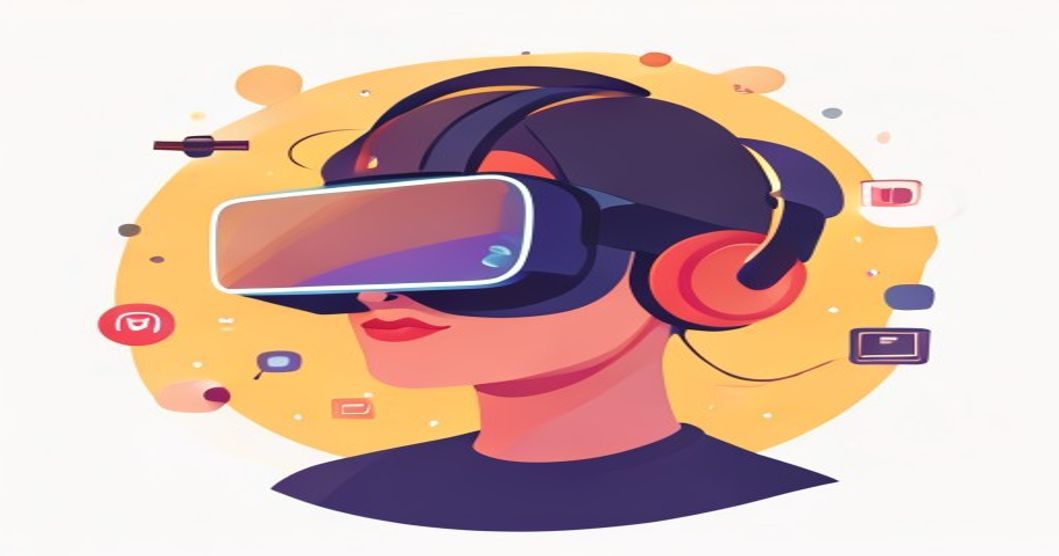
- Reality Labs: Develop the hardware and software for Quest headsets and future AR glasses.
- AI/ML: Build and optimize the AI models that power content ranking, ads, and generative AI features across all apps.
- Infrastructure: Work on data centers, networking, and the systems that keep Meta's services running globally.
The 2026 Hiring Landscape: Skills in Demand
The technical bar at Meta is exceptionally high, with a strong emphasis on foundational computer science and problem-solving. While specific technologies evolve, core principles remain. For 2026 hires, proficiency in Data Structures and Algorithms (DSA) is non-negotiable. You will be expected to solve complex problems efficiently, often in a live coding interview.
Beyond DSA, expertise in System Design is critical for experienced candidates and even for many new grad roles. You should understand how to design scalable, reliable systems—think about designing a feature like "Instagram Stories" or a scaled-down version of "WhatsApp's backend." Deep knowledge in one of the following areas will give you an edge:
- Machine Learning/AI: Frameworks like PyTorch (heavily used at Meta), model training, and ML system design.
- Mobile Development: iOS (Swift) or Android (Kotlin) for roles on Instagram or Facebook apps.
- Backend/Infrastructure: Languages like C++, Python, or Rust, and concepts of distributed systems.
Your 2-Year Preparation Roadmap (2024-2026)
A two-year plan provides ample time to build depth. Start early, ideally in your second or third year of B.Tech.
Year 1: Build Rock-Solid Foundations (2024-2025)
- Master DSA & Problem-Solving: Dedicate 6-8 months to this. Use platforms like LeetCode and GeeksforGeeks. Follow structured plans from Indian creators like Striver (takeUforward) or Apna College on YouTube. Aim to solve 300+ curated problems covering all topics.
- Excel Academically: Maintain a strong CGPA (preferably 8.5+). While not the sole criteria, it is a filter for many top companies, including Meta.
- Build Substantial Projects: Move beyond basic tutorials. Build 2-3 complex projects. For example, a full-stack app with real-time features, a machine learning model deployed as a service, or a contribution to an open-source project. This demonstrates applied knowledge.
- Learn System Design Basics: Start with foundational concepts—Load Balancing, Caching, Databases (SQL/NoSQL), and messaging queues. Resources like Gaurav Sen's YouTube channel or the "System Design Primer" on GitHub are excellent.
Year 2: Specialize and Practice (2025-2026)
- Advanced System Design: Practice designing large-scale systems. Study real architectures (e.g., how Facebook News Feed or WhatsApp might work at a high level). Use resources like Designing Data-Intensive Applications (book) and ByteByteGo.
- Specialize in a Domain: Dive deep into your chosen area—AI/ML, mobile, distributed systems. Take advanced courses. For free, high-quality content, use NPTEL or apply for financial aid on Coursera for courses like "Deep Learning Specialization."
- Mock Interviews & Contests: Start giving timed mock interviews. Platforms like InterviewBit and Pramp can help. Participate regularly in coding contests on Codeforces or LeetCode to improve speed and accuracy under pressure.
- Prepare Your Story: Polish your resume meticulously. Every project and internship should have measurable outcomes. Prepare behavioral stories using the STAR (Situation, Task, Action, Result) method, focusing on leadership, conflict resolution, and impact.
Navigating the Meta Interview Process
The process is rigorous and typically involves:
- Resume & Referral: A strong resume gets you the first look. A referral from a current Meta employee can significantly increase your chances of getting an interview call.
- Online Coding Assessment (OA): Usually 2-3 problems focusing on DSA. Difficulty is high, similar to LeetCode Medium-Hard.
- Technical Phone Screens (1-2 Rounds): Live coding interviews with an engineer. You'll code in a shared editor while explaining your approach.
- Virtual Onsite (4-5 Rounds): This is the final hurdle. It generally includes:
- Coding Rounds (2-3): Similar to phone screens but more complex.
- System Design Round (1): For experienced candidates and many new grad roles. You'll design a system on a whiteboard.
- Behavioral Round (1): Focuses on past experiences, alignment with Meta's values (like "Move Fast," "Focus on Impact").
- Team Matching & Offer: After clearing the onsite, you enter team matching, where you'll discuss potential projects with hiring managers.
Leveraging Indian Resources and Communities
You don't need expensive bootcamps. India has a wealth of free and low-cost resources:
- YouTube Channels: CodeWithHarry for fundamentals, Gate Smashers for core CS subjects, Jenny's Lectures for in-depth DSA.
- Online Judges: Use LeetCode (premium is worth it for Meta-specific questions), InterviewBit, and GeeksforGeeks.
- MOOCs: Enroll in NPTEL courses ("Data Structures And Algorithms" by Prof. Naveen Garg is legendary). Use freeCodeCamp for web development and apply for Coursera Financial Aid.
- Community: Join Discord servers, Telegram groups, and subreddits like r/developersIndia to stay updated on hiring trends, share resources, and find study partners.
Next Steps
The journey to Meta is a marathon of consistent learning and practice. Start by auditing your current skills against their requirements and building a strict study schedule. Remember, the skills you build for Meta will make you a strong candidate for other top Indian product companies like Flipkart, Razorpay, and Zomato as well.
To begin your upskilling journey, browse free computer science courses from top platforms. If system design is your next focus, explore our curated list of free system design resources. For a broader career roadmap, check out our guide on how to prepare for top tech company placements.
Share this article
Keep learning on UnboxCareer
Explore free courses, certificates, and career roadmaps curated for Indian students.